

AI-First Mobile App Development Company
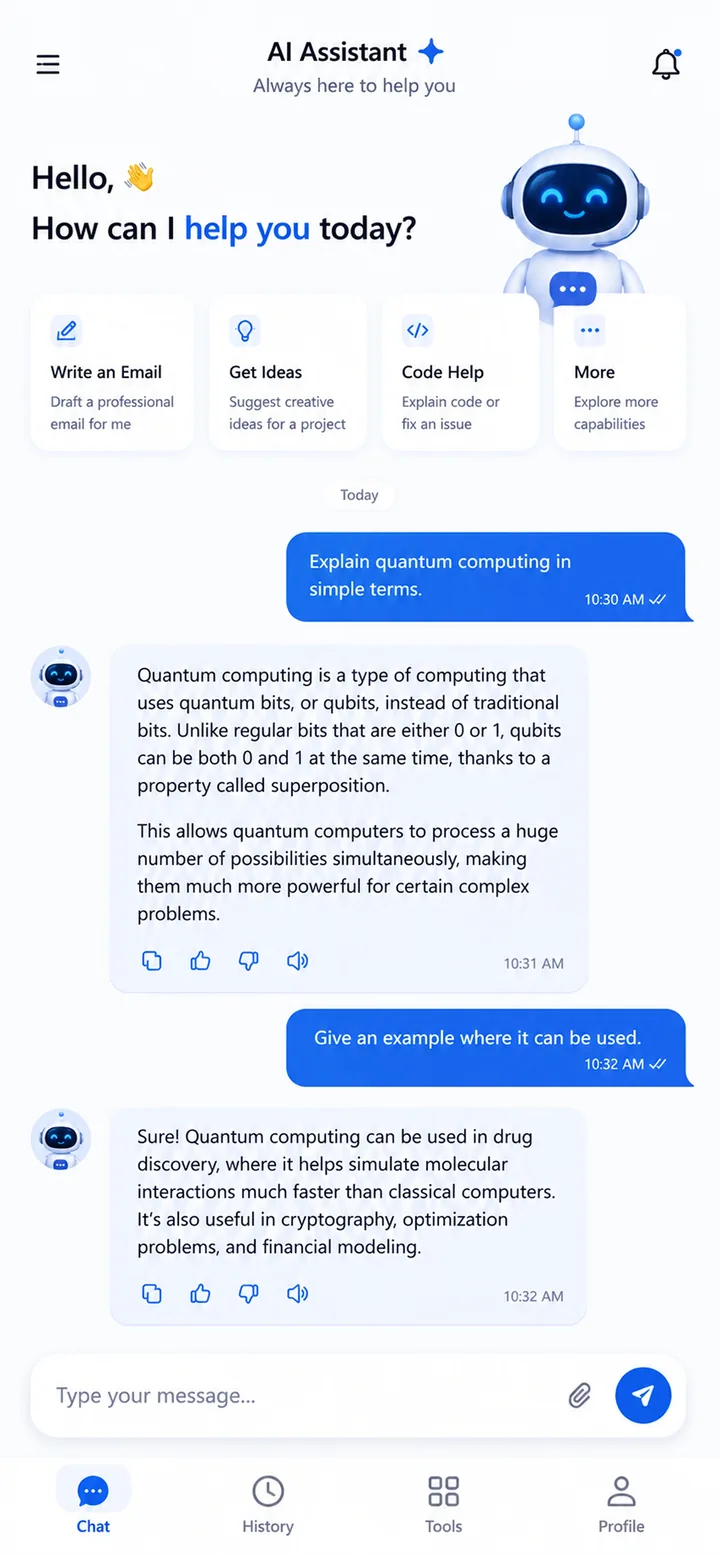
AI Development, From Use Case to Launch.
AI consulting, chatbots, generative AI, agentic AI and voice agents — scoped, built and shipped by one team.
Mobile App Development for Android and iOS.
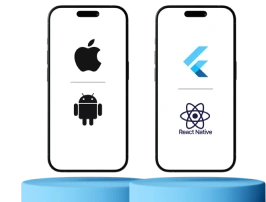
Native Kotlin and Swift when the platform matters, Flutter or React Native when one codebase is the smarter call.
Quick-Commerce App Development for 10-Minute Delivery.
Dark-store routing, live order tracking and AI demand forecasting — the stack that still holds up at peak hours.
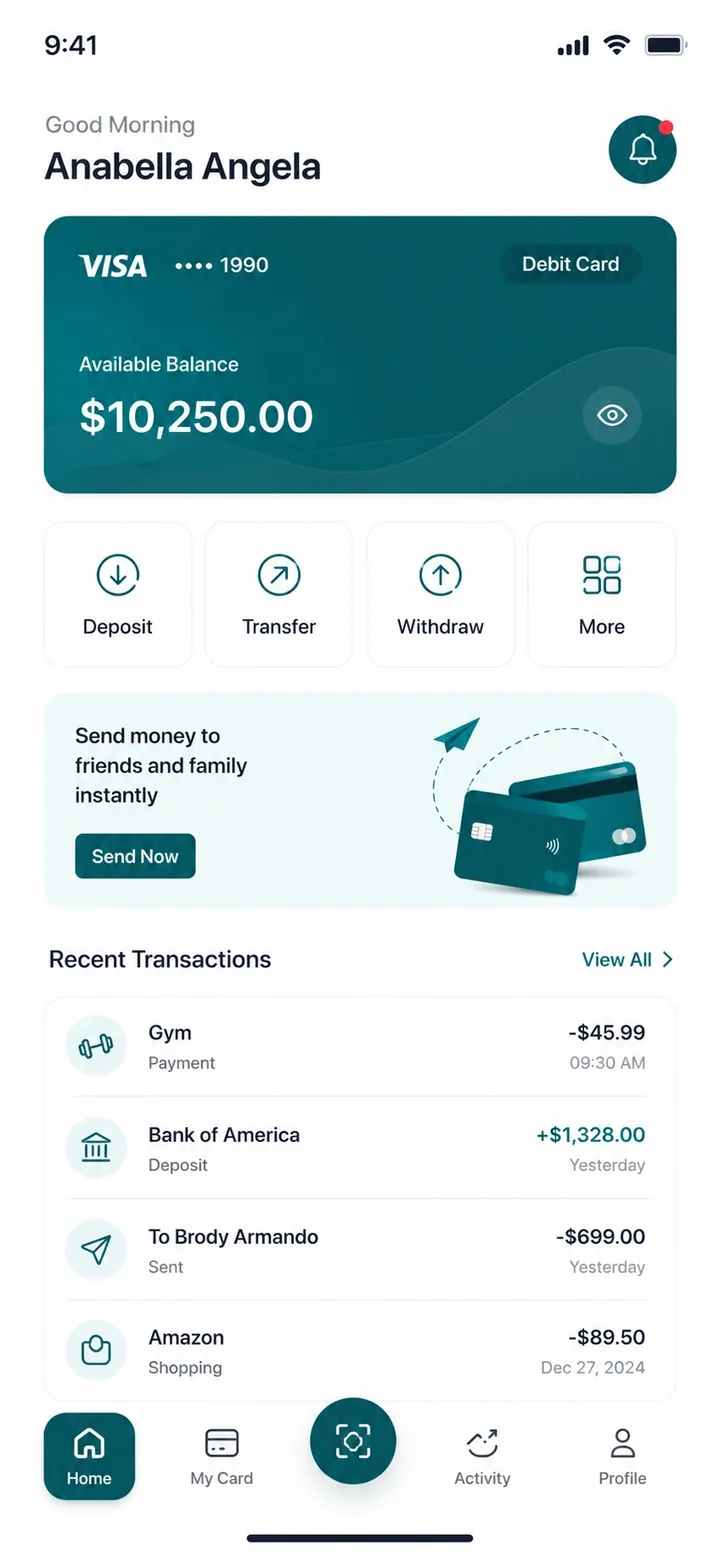
Fintech App Development, Secure by Design.
Wallets, UPI, cards and lending with instant settlement, spend analytics and AI insights — built for teams who answer to auditors.
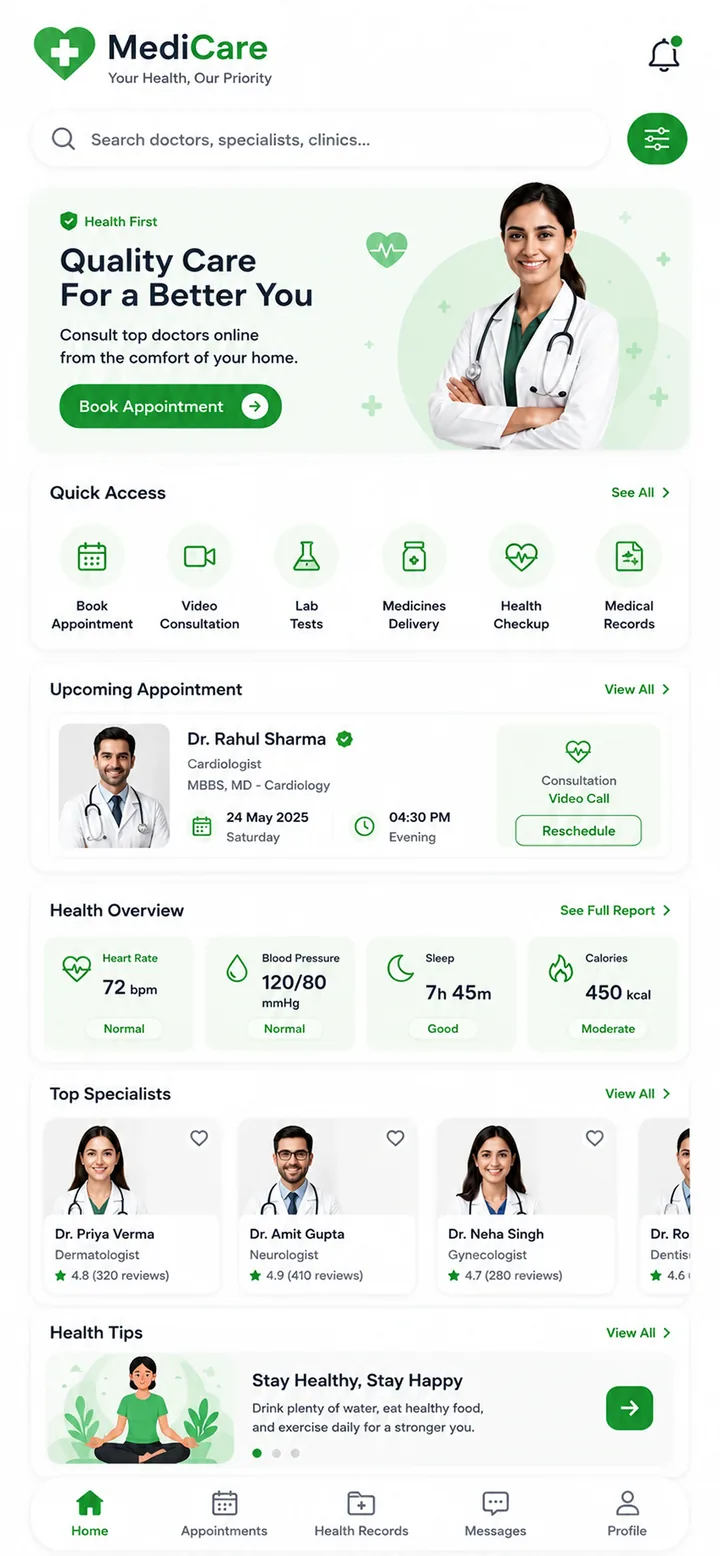
Telemedicine App Development, Consult to Prescription.
Video consults, e-prescriptions, lab bookings and AI symptom triage — with patient records handled the careful way.
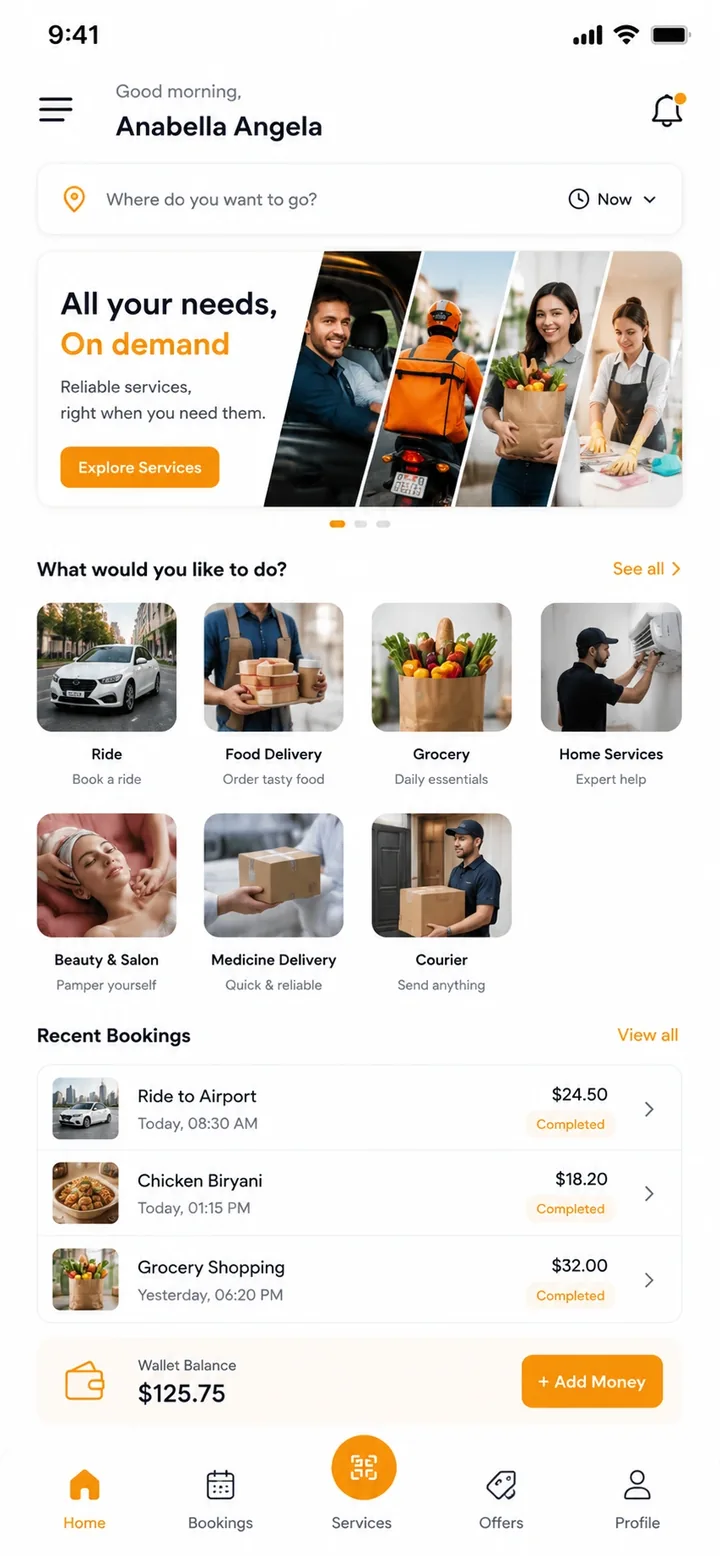
On-Demand App Development, Dispatch to Doorstep.
Partner dispatch, live ETAs and AI matching for home services, repairs, beauty and hyperlocal marketplaces.
shipped 12+Years in
business 80+Countries
served













Fuel Up Business With Future-Proof Solution








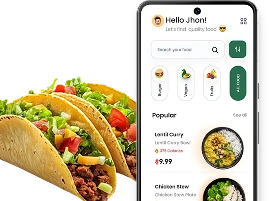


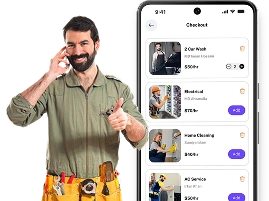
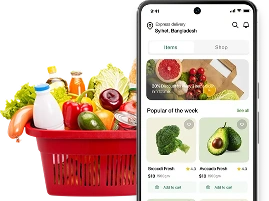


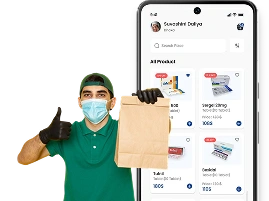

























Our Portfolio


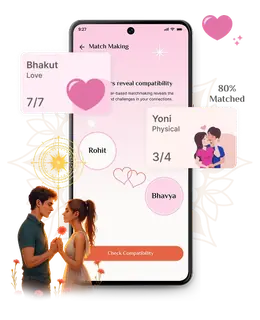
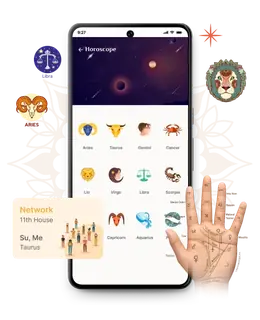


- User Engagement Increased by
3x Times in last 6 months - Overall Revenue increased by 62% in a quarter




- Customer Retention Rate increased by
68% in last 6 months - Average Order Value increased by 35% in last quarter



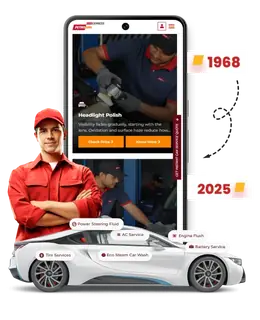


- Service Completion Rate improved by 91%in last 4 months
- Customer Acquisition Cost reduced by 38% in last quarter

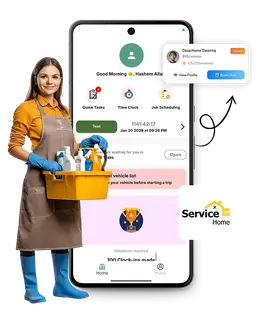
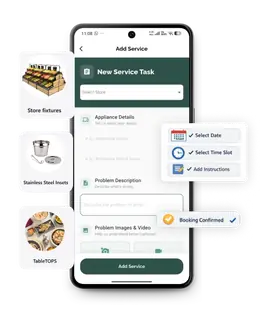
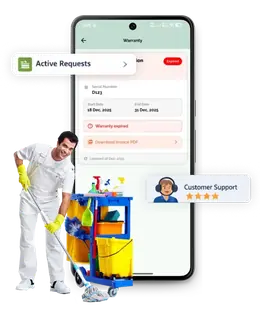


- Monthly Active Users grew by 2.1M in last 5 months
- Repeat Booking Rate increased by 58% in last quarter




The Real Challenges Enterprises Face in a Rapidly Evolving Digital World
Digital Initiatives Miss Their Targets
Global Spend
Transformations Fail
- 70% of digital transformation initiatives fail to meet their objectives, costing organizations an estimated $2.3 trillion per year globally.
- Bain's 2024 study found that 88% of business transformations fail to achieve their original ambitions—wasting billions in capital and strategic opportunity
- 70% of digital transformation projects fail due to lack of leadership support and engagement, with only 29% of CEOs actively supporting digital initiatives.
- 82% of companies struggle with acquiring and retaining digital talent, creating critical skill gaps that slow enterprise growth.
- Gartner research indicates that projects with poor technical-to-business communication are 67% more likely to exceed budget and 89% more likely to miss strategic objectives.

We Take Your Business to the Next Level
User-Centered Design
User-First Design Thinking creates experiences that are intuitive, accessible, and conversion-focused — because when users win, business grows.
Full Spectrum Expertise
A team of 80+ experienced experts delivering comprehensive solutions to scale businesses to enterprise level.
Business-First Thinking
Business-First Thinking isn’t a concept — it’s measurable business advantage. Projects that start with business outcomes deliver better ROI, faster results, and stronger competitive positioning.


95%
On time project delivery


45+
Global brands worldwide


25+
Industries scaled with modern tech
Industries Served by Us













Our USPs
We’ve Helped Leaders Outlast Trends. Your Turn?
Since 2014 we have shipped 200+ mobile apps, 300+ websites and portals and 20+ SaaS products. Most client names sit under NDA — our track record does not. Clutch contacts our clients directly and verifies every review before it is published.

200+
Mobile Apps

300+
Websites & Portals

20+
SaaS & Softwares
Explore High-Growth App Segments Before the Market Gets Crowded
The modern world of astrology is currently undergoing quite a transformation. The rapid development of technology has allowed for transformation from traditional horoscope columns to an extensively developed digital industry based on AI astrology app development, along with personalized astrology charts and quickly obtained answers for all of your cosmic questions. As an example, both real-time planetary.



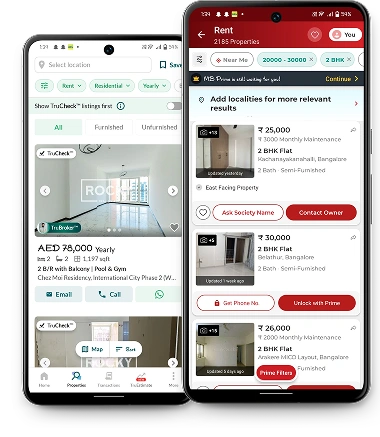
Real estate isn’t what it used to be. Forget the old days of endless paperwork and waiting around for agents to call you back. Now, everything’s moving online in the real estate app development. AI, new PropTech apps, and all sorts of on-demand services are changing the game. Buyers scroll through virtual tours from their couches. Sellers get offers in hours, not weeks.



The direct-to-consumer market is evolving from conventional brick-and-mortar retail spaces into an accelerated growth digital environment through the utilization of artificial intelligence (AI), personalization technology, and on-demand branded experiences in fashion ecommerce app development. Over the last five years, technological advancements have changed the way brands sell and the way customers shop through methods such as “scroll-to-checkout” flows and AI-powered product discovery.


There has been a major shift in the delivery industry from traditional delivery methods to a fast-growing digital delivery environment that is driven by artificial intelligence, real-time status, and networks for delivering on demand under quick commerce app development. Delivering groceries within ten minutes or delivering goods from retail to customers on the same day


Since the rise of technology, the healthcare industry has moved from traditional face-to-face interaction with medical professionals to a high-demand digital health ecosystem created by using artificial intelligence for diagnostics, utilizing telemedicine platforms, and offering on-demand services to patients in the doctor-on-demand app development. Technology will change the way patients are diagnosed and treated; it will change the delivery of patient care.


The digital ecosystem of Fintech is undergoing a significant transformation, reshaping traditional banks into a high-growth environment. This evolution leverages advanced technologies such as artificial intelligence, blockchain, and on-demand financial services under fintech app development. Innovations like instant cross-border payments and AI-driven investment portfolios are fundamentally changing how individuals manage their finances, including spending, saving, and growing their wealth.


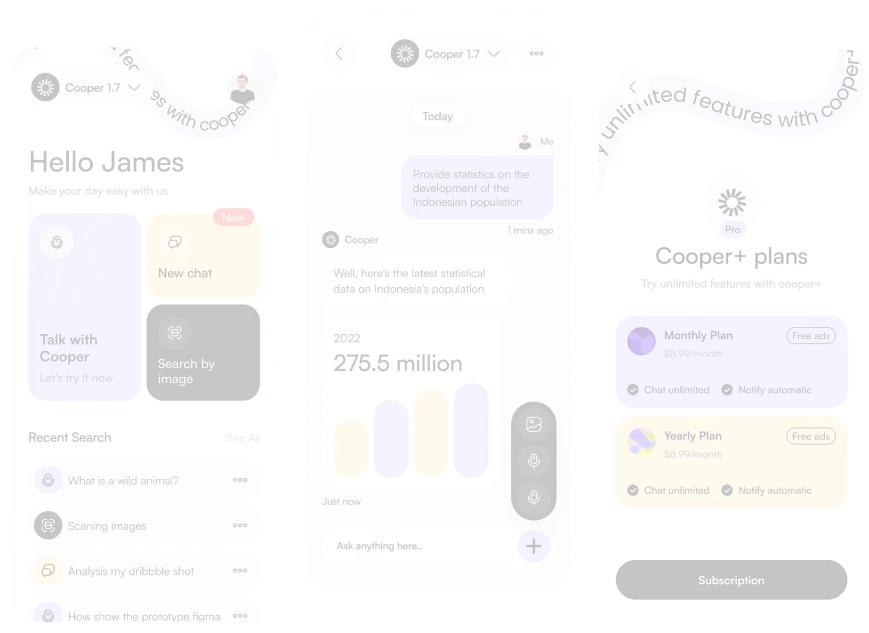
The advancement of the chatbot industry has gone from slow-moving, standard scripted answers to an exponentially growing digital environment created by large language models, the use of conversational AI technology, and the development of automated systems that can be turned on and off when needed in AI chatbot development. Businesses are using new technologies to radically change their way of communicating and selling.



Brands our teams have worked with







The Reviews Are In
Frequently Asked Questions
What Services Does Your Custom Mobile App Development Company Offer?
- Custom App Development
- App UI/UX Design
- App Strategy & Consulting
- App Maintenance & Support
- Quality Assurance & Testing
Do You Specialize in Developing Apps for iOS, Android, or Both?
How Long Does it Take to Develop a Mobile App?
Can You Integrate Third-party Services and APIs into the App?
Can I Get the Ownership of the Source Code?
Why Choose IMG Global Infotech as an IT Service Provider?
How Do You Ensure the Security of Our Data?
How Do You Handle Project Management And Timelines?
How Much Does Mobile App Development Cost?
The cost of developing a mobile app can vary significantly based on several factors, such as the complexity of the app, the specific features you want to include, the types of devices it will be compatible with, and other considerations.
Will Your Developers Be Available in My Time Zone?
How do you deal with app security?
Do you follow agile methodologies in mobile app development?
What different platforms do you use to develop an app?
Do You Sign an NDA Before Starting Any Projects?
What Measures Do You Take to Protect My Data and That of My Users?
How Will You Keep Me Updated on the Progress of the Project?
Latest Insights
View All
Partner with us to scale 10x faster with our AI-Driven solutions
A decade of turning bold ideas into impactful solutions




From idea to execution, we’ve got you covered.


